
Understanding Washed Sand: The Difference Between Single, Double and Triple Grades
So, you thought sand was just sand? That’s cute but the truth is far from it. Not all the fingers of your hand are the same, similarly not all sands are alike. So be the single, double and triple washed sand, they each have their own unique properties and uses.
But wait a minute, what does ‘washed’ even mean? Well, washing sand involves removing any impurities or unwanted particles from it. This can be done through mechanical or chemical methods, resulting in different grades of washed sand.
The main difference of all washed sand lies in the process by which it was washed and the level of purity achieved. Some may be suitable for construction purposes, while others may be better suited for use in horticulture or playing sand sports.
What Is Single Washed Sand?
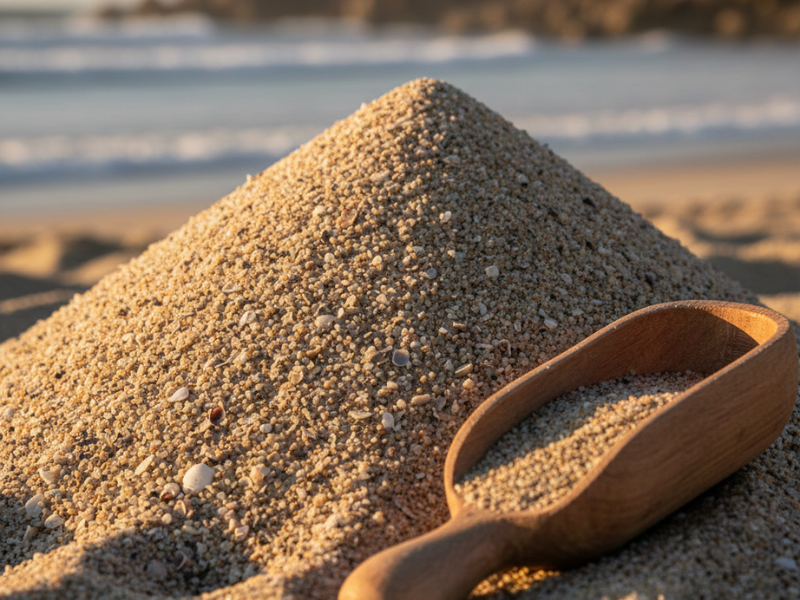
Single washed sand is the most basic form of washed sand and is often used for construction purposes. It goes through a single washing process where impurities and unwanted particles are removed, resulting in a cleaner and more uniform grain. This type of sand is most common in construction projects such as concrete mixing, backfilling and base material of pavers or patio stones.
Characteristics:
- When we touch single washed sand, we can feel that it has a smooth texture with no sharp edges or coarse particles. It will leave dust on our hands as it is dryer and has less moisture content compared to other types of sand.
- The grains are less uniform in size.
- Contain some of the dirt or clay particles that are smaller than the grains of sand itself.
- It can be found in a variety of colors, but usually, it is light brown or tan.
Uses:
- Concrete Mix: Single washed sand is commonly used in mixing concrete as it helps create a smoother and stronger finish. It also improves the workability of concrete, making it easier to mold and shape.
- Paving Stones: Washed sand is also popularly used in paving stones as it provides a solid base for the stones to be laid on. Its coarse texture ensures stability and helps prevent unevenness.
- Landscaping: Many landscapers use washed sand as a top layer for gardens or lawns, as it allows water to drain through easily and promotes healthy plant growth.
What Is Double Washed Sand?
Double washed sand is a type of sand that has gone through two separate washing processes to remove impurities and create an even finer texture. This process involves washing the sand with water and allowing it to settle before draining off any remaining particles. The sand is then washed again to ensure maximum cleanliness.

Characteristics:
- It feels smooth and soft to the touch.
- It is free of any visible debris or contaminants.
- Has more brighter color than regular sand.
- The grain are more uniform in shape and size.
Uses:
- Bricklaying: This type of sand is widely used in bricklaying due to its fine texture and even grain size, which allows for precise and stable construction.
- Plastering: With its uniform grain size, washed sand is perfect for plastering walls and ceilings as it provides a smooth and even finish.
- Landscaping: Its bright color makes it a popular choice in landscaping projects, especially for creating beautiful sand pits or beaches in gardens or playgrounds.
- Paving Joints: Washed sand is often used to fill the gaps in between pavers, providing a stable base and preventing weed growth.
What Is Triple Washed Sand?
Triple washed sand is a type of construction sand that has been thoroughly cleaned and filtered to remove any impurities or debris. As the name implies, this sand has gone through three rounds of washing to ensure it meets high-quality standards for various applications.
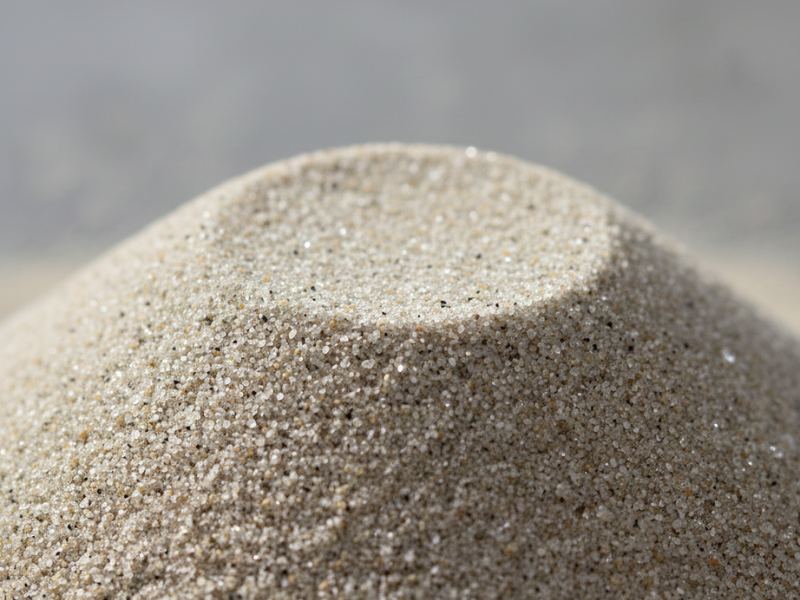
Unlike other types of sand which may contain unwanted elements such as salt, dirt, or clay, triple washed sand is free from these contaminants. The process might cost a little more, but the end result is worth it as it provides a clean and consistent sand product that can be used for multiple purposes.
Characteristics:
- A pure form of sand that is free from impurities and unwanted elements
- The grain size is consistent and can be customized according to needs
Uses:
- Pool Filtration: Triple washed sand is commonly used as a filter media for swimming pools, providing effective filtration and cleanliness.
- Sports Fields: Many sports fields require a specific type of sand for proper drainage and maintenance. Triple washed sand is often used for this purpose.
- Construction: In construction, not every type of sand is suitable for every application. For epoxy flooring, terrazzo flooring, and other specialty projects, triple washed sand is often the preferred choice for its consistency and cleanliness.
| Feature | Single | Double | Triple |
|---|---|---|---|
Purity Level |
Low |
Medium |
Very High |
Fine Particles |
Some Remain |
Almost None |
Virtually None |
Feel & Look |
Gritty, Dusty |
Clean, Smooth |
Very Clean, Uniform |
Primary Use |
Concrete, Backfill |
Mortar, Plaster, Pavers |
Pool Filters, Turf, Horticulture |
Cost |
Lowest |
Moderate |
Highest |
Conclusion:
From construction to landscaping, washed sand is a versatile and essential material for various industries. Its cleanliness, consistency, and excellent drainage make it a superior choice for numerous applications. Choosing the right type of washed sand for your project ensures optimal results and a smooth, worry-free process. Single, double and triple washed sands are all readily available and tailored to meet specific needs.
If you have any questions or concerns about our services, our team of friendly and knowledgeable customer service representatives are available to assist you.